Key Takeaways
- Only about 10% of hides qualify as full-grain, making them rare, highly sought after, and the true standard for luxury Italian recliners. These unaltered hides develop a rich, deepening patina over time that cheaper, corrected leathers simply cannot replicate.
- Authentic Italian recliners use hardwood frames — beech, oak, or walnut —joined with centuries-old techniques like mortise and tenon and dovetail joinery. These connections are built to be repaired and refinished indefinitely, not replaced.
- Seat depth, cushion density, lumbar support, and the ability to test multiple recline positions are all critical factors. High-density foam maintains its structure for decades, while lower-density alternatives compress permanently within just a few years of regular use.
- From leather grade and finish to stitching details, wood finishes, metal accents, and dimensional adjustments, authentic Italian pieces are built around your specific space and body, not adapted from a generic mold.
The difference between a recliner that becomes a defining element of your interior and one that disappoints comes down to understanding what distinguishes authentic craftsmanship. Italian leather recliners represent the pinnacle of furniture design, but the market includes everything from genuine artisanal pieces to mass-produced imitations.
Your selection requires clarity about materials, construction, and the specific qualities that define excellence in luxury furnishings.
Understanding Italian Leather Quality
The leather itself determines how your recliner will develop its character over the next 30 years.
Full-grain leather represents the gold standard. Only about 10% of hides remain pristine enough to avoid mechanical correction, making them the most sought-after material for luxury furniture. These unaltered hides retain the natural grain pattern, creating depth and character that synthetic processes simply cannot replicate.
You’ll notice the difference immediately when you touch it. Quality Italian leather feels noticeably softer and more supple than alternatives. It has a buttery quality that comes from selective sourcing, traditional tanning methods, and meticulous finishing.
Italian tanneries source hides from European cattle raised in controlled conditions. These animals have fewer hide defects from barbed wire, insect damage, or branding marks common in less regulated ranching regions.
The patina that develops over time enhances rather than diminishes the leather’s appearance. Italian leather, particularly vegetable-tanned varieties, ages in ways that create depth and warmth. A 15-year-old piece often looks more beautiful than a new one, while cheaper leathers simply look worn.
Evaluating Frame Construction and Joinery
The frame determines whether your recliner lasts five years or fifty.
Italian furniture artisans undergo extensive apprenticeships spanning many years, learning centuries-old joinery techniques perfected during the Renaissance. Master craftsmen work primarily with hand tools, fitting each joint individually and refining each curve through direct tactile feedback.
This creates furniture that can be repaired and refinished indefinitely.
Look for hardwood frames constructed from beech, oak, or walnut. These woods provide the structural integrity needed for reclining mechanisms that will operate smoothly after thousands of cycles. Softwoods and engineered materials compromise longevity.
Examine the joinery methods:
- Mortise and tenon joints create connections stronger than the wood itself
- Dovetail construction in drawer assemblies indicates attention to structural integrity
- Corner blocks reinforced with both glue and screws distribute stress across the frame
- Hand-fitted joints allow for wood movement without compromising stability
The reclining mechanism should integrate seamlessly with the frame structure. Quality Italian recliners use mechanisms that complement rather than compromise the frame’s integrity.
Assessing Comfort and Ergonomic Design
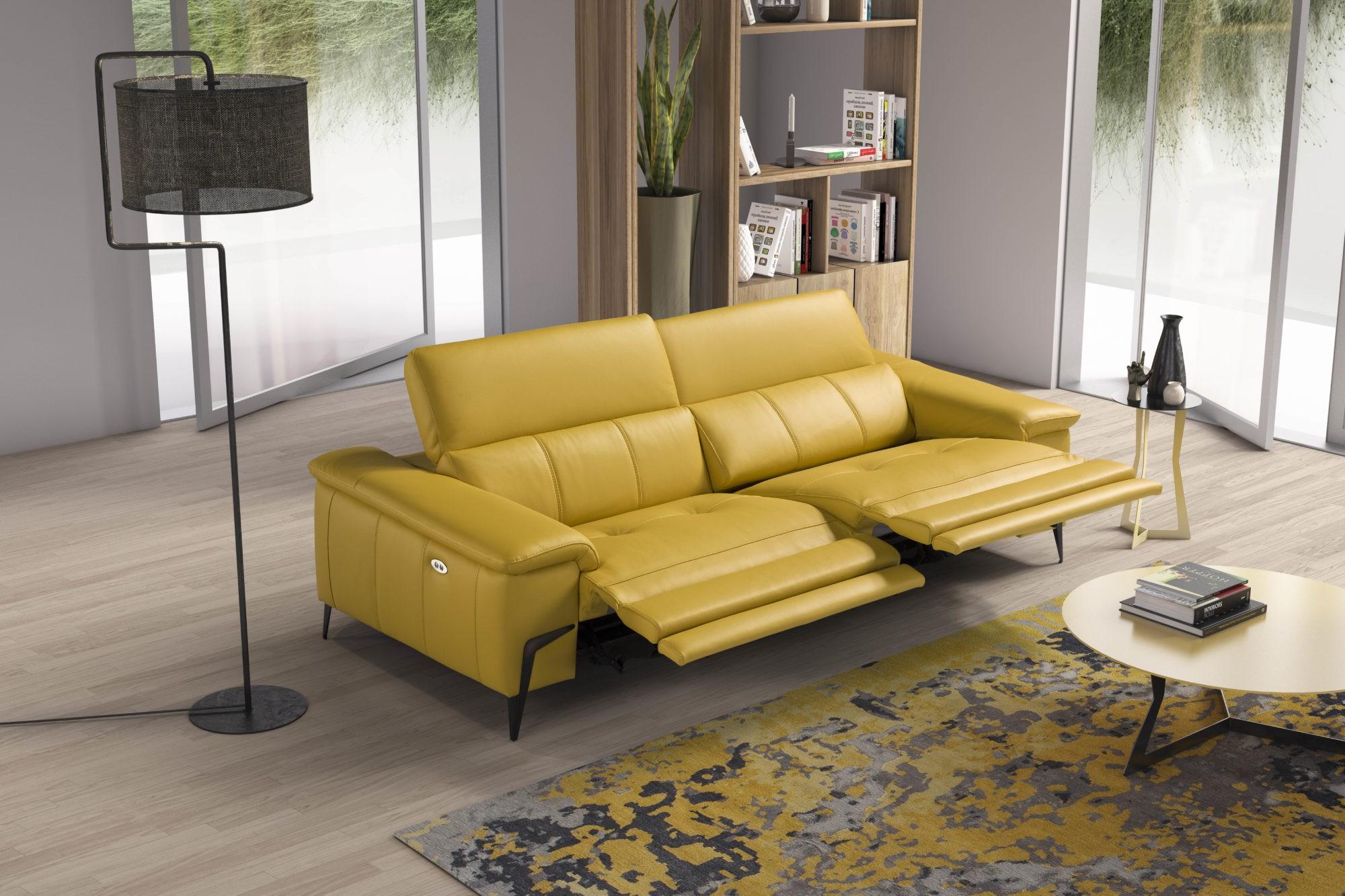
Power recliners account for over 60% of the global market because they offer precise positioning control. Electric motors allow you to adjust the backrest and footrest independently, finding the exact angle that supports your body properly.
Test the recliner in multiple positions:
- Upright seating should provide lumbar support without forcing your posture
- Mid-recline positions need to feel stable and balanced
- Full recline should distribute your weight evenly across the seat and back
- Footrest height must align with your leg length when extended
The seat depth matters more than most people realize. Your back should rest against the backrest while your feet touch the floor comfortably. Seats that are too deep force you to choose between proper back support and proper leg positioning.
Cushion density affects both immediate comfort and long-term support. High-density foam maintains its shape and support characteristics for decades. Lower-density foam feels soft initially but compresses permanently within a few years.
Examining Customization Options
Your space tells a story. Exceptional furniture should honor that narrative.
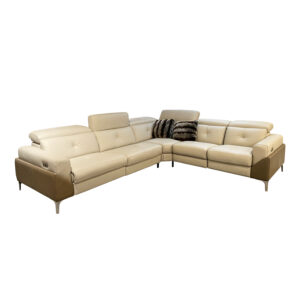
Demand for personalized recliners increased 18 percent over the past year. This is especially evident in the growing interest in the Italian leather sectional sofa, where buyers are increasingly seeking configurations tailored to their specific floor plans and design preferences.
Material selection extends far beyond choosing a leather color. Quality showrooms offer extensive libraries featuring hundreds of options in fabric, leather, microfiber, metal, wood, acrylic, and lacquer finishes. Each material choice affects the piece’s visual weight, texture, and how it interacts with light throughout the day.
Consider these customization elements:
- Leather grade and finish from matte to high-gloss, each creating different visual effects
- Stitching details that can complement or contrast with the leather color
- Wood finish options for exposed frame elements and bases
- Metal accents in brushed, polished, or antiqued finishes
- Dimensional adjustments to fit your space and body proportions
The customization process should feel collaborative. Design consultants who listen carefully create pieces that honor your vision or your client’s unique story rather than imposing predetermined aesthetic formulas.
Understanding Lasting Quality and Heritage
Authentic Italian leather furniture represents a commitment to enduring quality.
Properly maintained Italian leather furniture can grace your space for 30-40 years or more. The superior hide quality and traditional tanning methods create material that evolves beautifully over time, developing the rich patina that designers and collectors value.
Top-grain leather outlasts fabric upholstery by up to four times, maintaining its structural integrity and visual appeal across decades of daily use.
This longevity matters for several reasons:
An Italian leather recliner sofa becomes a piece that can be passed down through generations, its beauty deepening with age. Mass-produced alternatives typically require replacement within less than a decade, creating both inconvenience and disappointing performance. For interior designers, specifying authentic Italian pieces ensures your clients enjoy furniture that maintains its design integrity throughout their time in the space.
The global appreciation for luxury recliners continues to grow as discerning buyers prioritize comfort-centric furniture choices. This reflects a sophisticated understanding that exceptional furniture elevates daily living quality and creates environments that truly support wellbeing.
Verifying Authenticity and Origin
The label “Italian leather” doesn’t guarantee Italian craftsmanship.
Ask direct questions about where the piece is manufactured. Authentic Italian furniture comes from workshops in Italy, crafted by artisans trained in traditional methods. Some manufacturers use Italian leather on frames built elsewhere, creating confusion about the product’s actual origin.
Request information about the specific tannery and manufacturing workshop. Reputable dealers provide transparency about their supply chain. They understand that informed buyers want to know exactly what they’re purchasing.
Look for these authenticity indicators:
- Documentation showing the manufacturing location and craftsman details
- Tannery certifications verifying leather origin and processing methods
- Warranty terms that reflect confidence in long-term durability
- Showroom inventory demonstrating the dealer’s commitment to quality
Dealers who warehouse high-end furniture domestically demonstrate their investment in customer service and product availability. This infrastructure indicates a serious commitment to the luxury furniture market rather than a casual import operation.
Making Your Decision
You now understand the specific qualities that distinguish exceptional Italian leather recliners from ordinary alternatives.
Focus on full-grain leather from verified Italian tanneries. Examine the frame construction for traditional joinery methods and hardwood materials. Test the ergonomic design in multiple positions. Explore customization options that honor your specific aesthetic vision or your client’s requirements. Consider the long-term performance based on decades of use and the enduring beauty that defines heirloom-quality pieces.
The smooth curve of the armrest invites your touch, while the deep, burnished finish catches light in ways that transform throughout the day. This represents more than furniture. It represents a daily experience of beauty, comfort, and craftsmanship that enriches your life for decades.
Your selection of quality Italian leather furniture reflects an understanding that exceptional design deserves careful consideration and a commitment to excellence.