Key Takeaways
- Rozzoni furniture masterfully blends classical wood forms with contemporary finishes and textiles, creating a timeless, transitional aesthetic ideal for luxury projects.
- Manufactured in Italy, the brand is defined by its intricate hand-carved detailing and highly durable, multi-layered lacquer finishes.
- Designers can maximize the impact of Rozzoni pieces by using them as ornate, high-contrast statement anchors within clean, modern American architectural spaces.
- Michelangelo Designs eliminates the friction of international importing by managing all freight, customs, and quality control from their New Jersey facility, giving both trade professionals and discerning homeowners direct access to authentic Rozzoni pieces.
Specifying high-end European furniture often feels like a high-wire act for interior designers. On one side, you have the aesthetic brilliance and generational craftsmanship that your luxury clients demand. On the other side, you face the logistical nightmares of international freight, customs delays, and the constant threat of clients shopping your specifications online. When it comes to bridging the gap between old-world Italian artistry and modern design sensibilities, few brands execute the vision quite like Rozzoni.
For trade professionals, understanding the narrative behind Rozzoni furniture is just as critical as knowing its dimensions. This guide provides a master framework for sourcing and specifying this unique brand, arming you with the material knowledge and logistical strategies necessary to seamlessly integrate authentic Italian imports into your most ambitious residential and hospitality projects.

The Intersection of Eras: Rozzoni’s Signature Design Identity
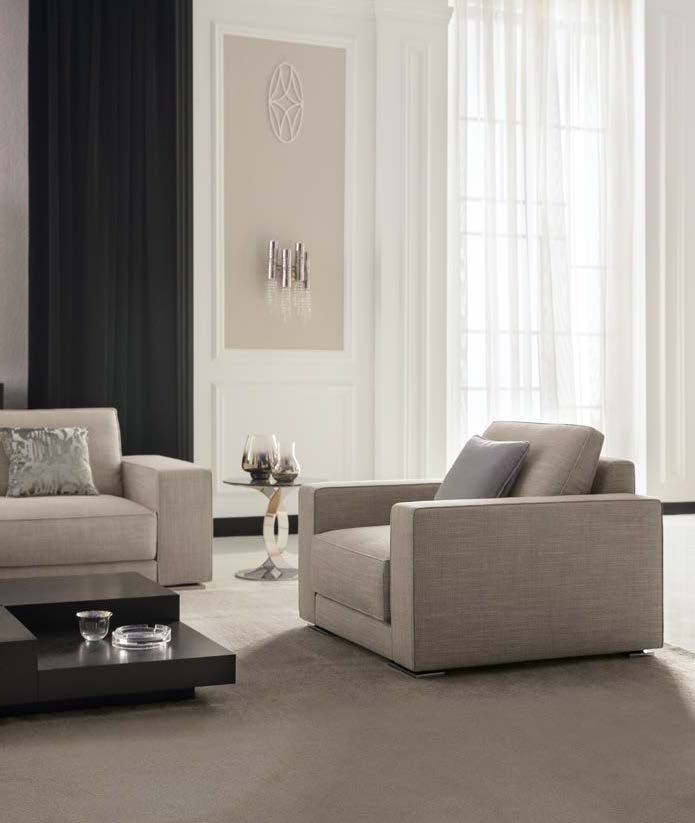
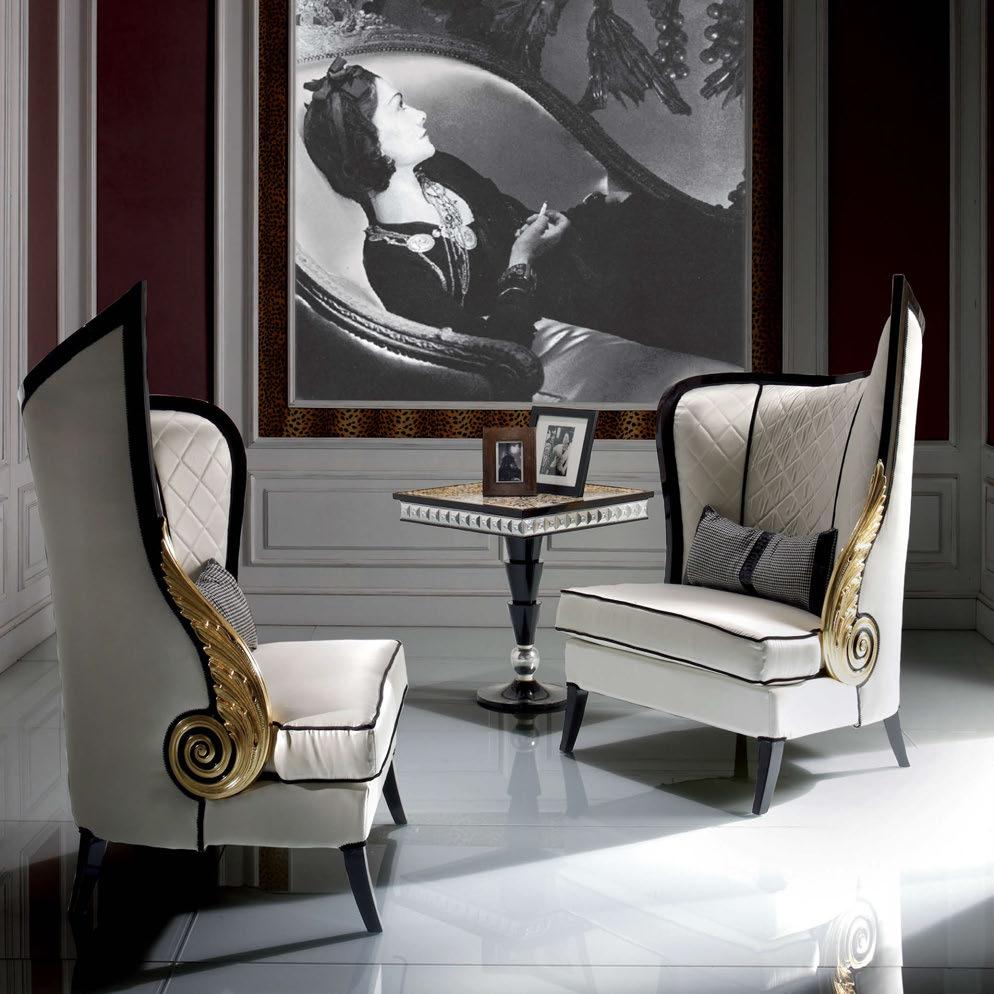
The design industry frequently misuses the term “transitional,” often reducing it to safe, neutral, and ultimately forgettable silhouettes. Rozzoni furniture reclaims the concept by executing a true “classical meets contemporary” aesthetic. The brand achieves this by taking traditional, historically rooted wood forms and aggressively modernizing them through current upholstery textiles, unexpected hardware applications, and stark, dramatic lacquers.
This specific transitional aesthetic shines exceptionally well in boutique hospitality environments and luxury residential spaces that require a sense of established history without feeling like a museum. By bridging this aesthetic gap, designers can anchor a room with pieces that feel timeless rather than trendy. The furniture acknowledges historical design precedents while remaining entirely relevant to contemporary living, ensuring the space ages gracefully over the decades.
Materials & Techniques Designers Must Know
To justify premium budgets to discerning clients, designers must be able to articulate exactly what goes into the manufacturing of their specified pieces.
The hallmark of the brand lies in its complex wood carvings. Unlike mass-produced furniture that relies on CNC routing for surface-level detailing, Rozzoni utilizes an artisanal workforce that applies old-world hand craftsmanship. This generational knowledge allows for deep, intricate reliefs and organic curves that machines simply cannot replicate.
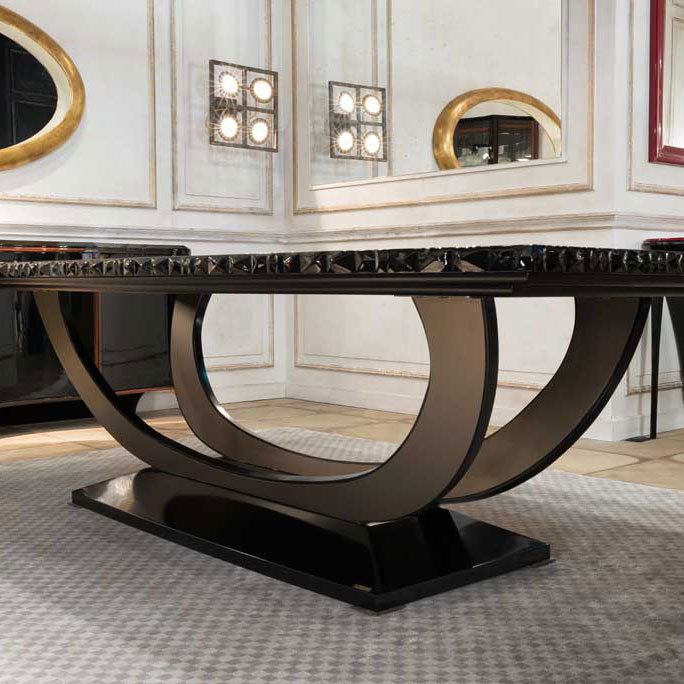
Beyond the carpentry, designers must understand the brand’s robust lacquering process. Rozzoni applies multiple layers of high-gloss and matte lacquers, a labor-intensive technique that requires precise curing times and meticulous hand-polishing between coats. For a designer, this is a major selling point: the lacquer is not just a stylistic choice, but a highly durable, protective shell that resists the daily wear and tear of modern households. When a client asks why a specific dining table commands its price, the answer lies in the weeks of hand-applied finishing.
Framing Rozzoni in Contemporary American Spaces

Integrating ornate Italian elements into modern American architecture requires a deliberate styling framework. Contemporary luxury homes in the United States often lean toward clean lines, open-concept floor plans, and neutral architectural envelopes. Dropping highly traditional, heavy furniture into these spaces can feel disjointed if not handled with intention.
The most effective way to utilize Rozzoni furniture is to treat it as a striking anchor or statement piece. In a minimalist, white-walled dining room with floor-to-ceiling glass, a heavily carved, high-gloss Rozzoni credenza becomes a functional sculpture. The clean architecture acts as a gallery-like backdrop, allowing the intricate Italian craftsmanship to take center stage without overwhelming the room.
Designers should focus on contrasting heavy classical materials against modern American preferences. Pair a deeply carved, dark wood Rozzoni center table with sleek, low-profile contemporary seating. Use the brand’s highly polished surfaces to bounce light around a room dominated by matte, natural textures like honed stone and wide-plank white oak. This deliberate friction between the ornate and the austere is what elevates a standard room into a masterclass in transitional design.
Selling the Italian Story to Your Most Discerning Clients
Moving a client conversation away from simple price points and toward the concept of “collectable heirlooms” is a critical skill for any top-tier designer. When specifying Rozzoni, you are not simply selling a place to sit or a surface to eat on; you are curating a piece of functional art with a distinct lineage.
To effectively sell the Italian story, designers should utilize the following client presentation points:
- Material Selection: Highlight the use of premium exotic woods and the meticulous, multi-stage lacquering process that guarantees both visual depth and long-term durability.
- Unique Artistry: Remind the client that because the wood carving and finishing are executed by hand, no two pieces are exactly alike, granting them ownership of a truly bespoke item.
By framing the specification around these pillars, you validate the client’s investment and elevate your own perceived value as a curator of exclusive, hard-to-source luxury goods.
The Logistical Edge: Why Trade Professionals Source via Michelangelo Designs
Even the most beautifully designed room can be derailed by procurement failures. Importing European luxury furniture is notoriously fraught with pain points: navigating international customs, managing ocean freight, mitigating damage risks, and dealing with unpredictable lead times. For USA-based interior designers, these logistical hurdles can erode profit margins and damage client trust.
This is where Michelangelo Designs becomes an indispensable partner. Operating out of an expansive New Jersey showroom, Michelangelo Designs serves as the frictionless gateway for authentic Italian imports. They absorb the logistical headaches of international shipping, handling end-to-end container logistics, meticulous quality control upon arrival, and white-glove readiness. Designers can specify Rozzoni with the confidence that the piece will arrive in pristine condition, on schedule.
Ready to streamline your procurement of authentic Italian luxury? Sign up for Michelangelo Designs Trade Account today to unlock pricing for Rozzoni furniture. Alternatively, schedule a private, designer-led walkthrough of the New Jersey showroom to experience Rozzoni carpentry firsthand and request the latest catalogs from our curated collection of Italian makers.