Key Takeaways
- Orsenigo furniture specializes in a sleek, mixed-media aesthetic, combining rigid metal and glass frames with premium Italian hide leathers for a visually light, contemporary look.
- Mantellassi 1926 offers transitional luxury, focusing on deep-seated comfort, plush volumes, and complex fabric tailoring ideal for heritage or neoclassical estates.
- Material choices dictate maintenance and durability; Orsenigo’s cold-drawn steel and saddle leathers age organically, while Mantellassi’s hardwood frames support heavy, customizable textiles.
- Sourcing international luxury brands through a US-based B2B showroom like Michelangelo Designs mitigates the risks of import logistics, freight damage, and customs delays.
- Experiencing the furniture in person at a dedicated trade showroom allows designers to verify the tactile quality and comfort before specifying high-ticket items.
The modern interior designer is tasked with more than just selecting beautiful pieces; they must curate environments that reflect their clients’ exacting standards while navigating the complex logistics of international sourcing. When specifying high-end Italian upholstery, the choice often comes down to matching a distinct architectural vibe with the right heritage brand.
Interior designers frequently face decision fatigue when comparing luxury European manufacturers. Without touching the fabrics or inspecting the joinery, differentiating between brands based on a digital catalog is a significant risk. Two heavyweights in the Michelangelo Designs portfolio offer completely different approaches to luxury: the sleek, mixed-material modernity of Orsenigo and the plush, transitional grandeur of Mantellassi 1926. Understanding the structural and aesthetic nuances between these two makers transforms you from a simple specifier into an expert curator for your high-net-worth clients.
The Intersection of History and Innovation in Italian Furniture
Demand for authentic Italian design remains exceptionally high among luxury residential clients. They want the prestige of European craftsmanship, but their functional needs vary wildly. Some clients live in glass-walled urban penthouses requiring visually light, structural pieces. Others reside in sprawling heritage estates that demand visual weight, deep comfort, and opulent textiles.
This is where the distinction between Orsenigo and Mantellassi becomes a critical tool in your design arsenal. Both brands represent the pinnacle of Italian manufacturing, yet they serve entirely different architectural masters. By understanding their core material philosophies, you can confidently guide your clients toward an investment that perfectly aligns with their lifestyle and the architectural envelope of their home.
Orsenigo Furniture: Where Old Meets New in Mixed Media
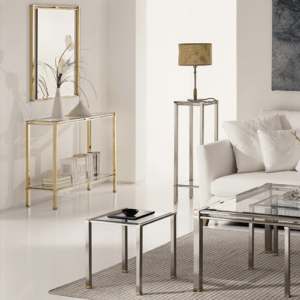
When specifying Orsenigo furniture, designers are tapping into a distinct philosophy where old-world material reverence meets sharp, contemporary engineering. Founded on a legacy of precision, the Orsenigo brand avoids the heavy, overstuffed silhouettes of traditional upholstery. Instead, it relies on a signature formula: marrying rigid architectural frames made of metal and glass with rich, traditional Italian hide leathers.
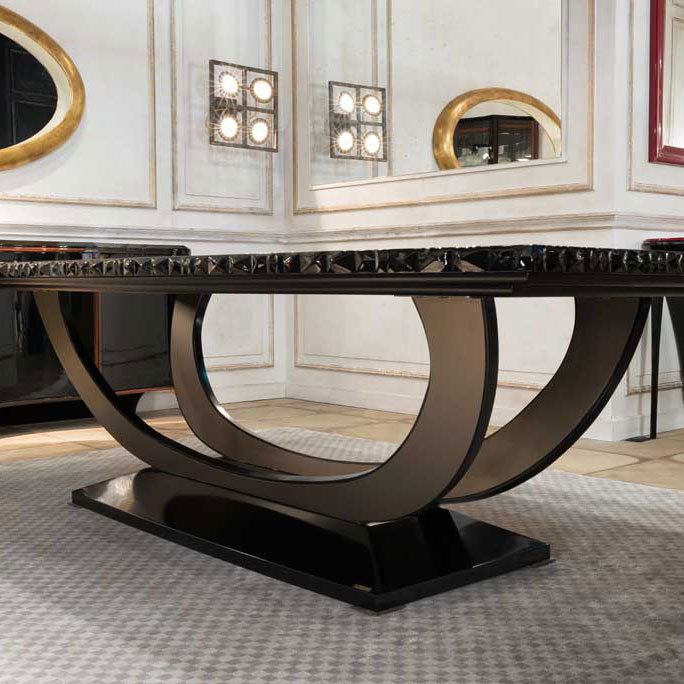
This mixed-media approach results in a sleek, minimalist aesthetic that feels as though the furniture is floating within the room. Orsenigo utilizes cold-drawn steel and sophisticated galvanic treatments to create frames that are incredibly strong yet visually razor-thin. These metal skeletons are then wrapped, slung, or accented with premium hide leathers. The contrast between the cold, precise metal and the warm, organic leather creates a dynamic tension that anchors modern spaces without cluttering them.
For the designer, Orsenigo furniture offers a unique solution for open-concept layouts. Because the pieces lack bulky skirts or heavy bases, they allow light to pass through the room, preserving sightlines. Their unique approach to upholstery bindings and exposed metal framing makes the back and sides of the furniture just as visually compelling as the front, which is essential when floating a sofa or lounge chair in the center of a contemporary living space.
Mantellassi 1926: The Pinnacle of Tailored Opulence
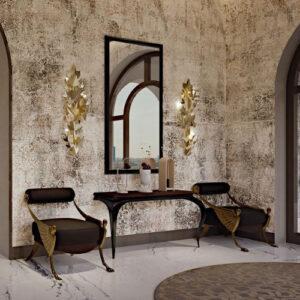
If Orsenigo is the sharp, tailored suit of the furniture world, Mantellassi 1926 is the bespoke velvet smoking jacket. Founded in the Tuscan region of Pistoia, Mantellassi takes a markedly different approach to high-end Italian upholstery. Their focus is on plush volumes, complex fabric layering, and transitional luxury shapes that command attention through sheer presence and comfort.
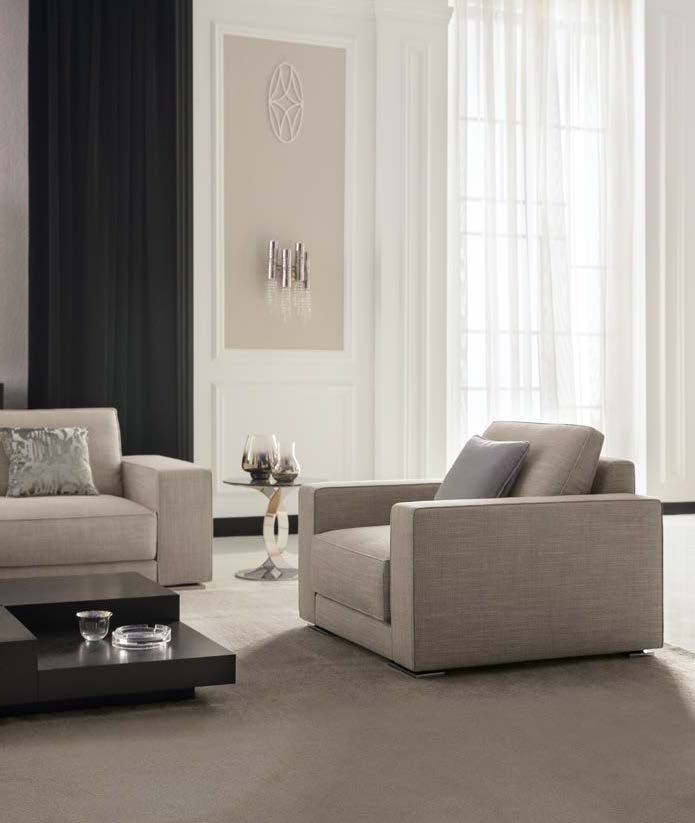
Mantellassi leans heavily into the tactile nature of masterfully tailored cushioning. Their pieces feature deep-seated opulence, utilizing artisan cushioning techniques that invite the user to sink in and stay awhile. While Orsenigo strips away the excess to reveal the structural frame, Mantellassi celebrates the upholstery itself. You will find heavy stitching, tufting, and a masterful use of rich textiles like bouclé, heavy jacquards, and supple velvets.
This brand is ideal for designers working within transitional or neoclassical frameworks. The silhouettes often feature subtle nods to historical Italian design but updated with cleaner lines to suit modern luxury estates. The visual weight of Mantellassi furniture anchors large, cavernous rooms, providing a sense of warmth and lived-in grandeur that minimalist pieces simply cannot achieve.
Sizing up the Build: Materiality and Customization Compared
To make an informed specification, designers must look beneath the surface. The framing structures of these two brands dictate not only their look but their longevity and residential durability.
Orsenigo’s reliance on metal alloys means their frames are virtually indestructible, immune to the warping or shifting that can sometimes plague lesser wood frames in climate-controlled high-rises. Their use of thick, saddle-grade hide leathers requires a specific type of maintenance; these leathers patina beautifully over time, developing a rich character that appeals to clients who appreciate organic aging.
Mantellassi, conversely, builds upon robust solid hardwood frames, engineered to support the substantial weight of their heavy cushioning and complex spring systems. Their customization options for upholstery are vast, allowing designers to pull from an extensive library of high-grade Italian textiles. When specifying Mantellassi, designers must consider the maintenance of these softer, more intricate fabrics, often recommending high-performance treatments for clients with large families or pets.
Matchmaking: Which Brand is Right for Your Next Project?
Choosing between these two Italian powerhouses comes down to analyzing your client’s aesthetic preferences and how they interact with their living spaces. Use this framework to guide your specification process:
- Specify Orsenigo if: Your client prefers Bauhaus-influenced luxury, clean lines, and metal focal points. This brand is the perfect match for minimalist urban penthouses, modern art collectors who need furniture that doesn’t compete with their walls, and clients who prioritize architectural form and visually light footprints.
- Specify Mantellassi if: Your client craves comfort-driven grandeur and deep-seated opulence. This is the go-to brand for transitional heritage estates, clients who entertain frequently and require expansive, plush seating, and projects where the furniture needs to provide significant visual warmth and texture to the room.
Italian Furniture Specification Guide for Hospitality & Commercial Design
Streamline Your Sourcing Through Michelangelo Designs
Identifying the perfect high-end Italian upholstery is only half the battle; procuring it is often where interior designers face the most friction. Importing luxury goods directly from Europe involves navigating a labyrinth of customs duties, international freight logistics, extended lead times, and the ever-present risk of transit damage.
Michelangelo Designs eliminates these B2B pain points by bringing both Orsenigo and Mantellassi under one expansive roof in Passaic, New Jersey. Partnering with a dedicated US-based distributor transforms a logistical headache into a seamless procurement process.
- Logistical Simplification: Michelangelo Designs handles the complexities of international shipping, customs clearance, and secure warehousing, ensuring your specified pieces arrive safely and on schedule.
- Trade Privileges: Design professionals gain access to preferred trade pricing, detailed material catalogs, and dedicated B2B support, protecting your margins and streamlining your client presentations.
- The In-Person “Sit Test”: Digital catalogs cannot convey the tension of Orsenigo’s hide leather or the plush sink of a Mantellassi sofa. The New Jersey showroom allows you and your clients to experience the scale, texture, and comfort of these pieces firsthand before committing to a high-ticket purchase.
By leveraging a specialized B2B partner, you not only secure authentic Italian craftsmanship for your projects but also protect your firm’s time and reputation. Book an exclusive showroom tour at Michelangelo Designs to see these masterpieces in person. Alternatively, apply for a Trade Account today to unlock detailed specs, material catalogs, and preferred designer pricing for both the Orsenigo and Mantellassi collections.