Key Takeaways
- Design Flexibility: Transitional bedroom furniture bridges contemporary and traditional aesthetics through clean silhouettes softened with quality materials and craftsmanship, allowing you to layer evolving preferences without replacing substantial pieces.
- Material-Driven Character: Extensive material options spanning thousands of fabric, leather, wood, metal, and finish choices enable transitional pieces to create different moods while maintaining foundational design coherence across aesthetic evolution.
- Pandemic-Era Relevance: Transitional style gained momentum as people incorporated family heirlooms with contemporary pieces for emotional comfort, with over 31 percent of designers planning organic modernism elements in 2025 projects.
- Investment Longevity: Italian craftsmanship using premium hardwoods, full-grain leather, and traditional joinery ensures transitional bedroom furniture ages gracefully across decades, maintaining relevance while developing character rather than appearing dated.
You have scrolled through thousands of bedroom sets, saved hundreds of Pinterest boards, and still cannot commit to a single style.
The modern platform bed feels too stark. The ornate sleigh bed feels too fussy. You are stuck between two worlds, and every design decision feels like closing doors you are not ready to close.
Here is what nobody tells you about design indecision: it is not a weakness.
Your inability to choose between modern and traditional might actually signal sophisticated taste. You recognize that rigid design categories rarely capture the complexity of how you actually live. You want the clean lines of contemporary design and the warmth of traditional craftsmanship. You want pieces that feel current without chasing trends.
You want bedroom furniture that does not force you to pick a lane.
The Middle Ground Has a Name
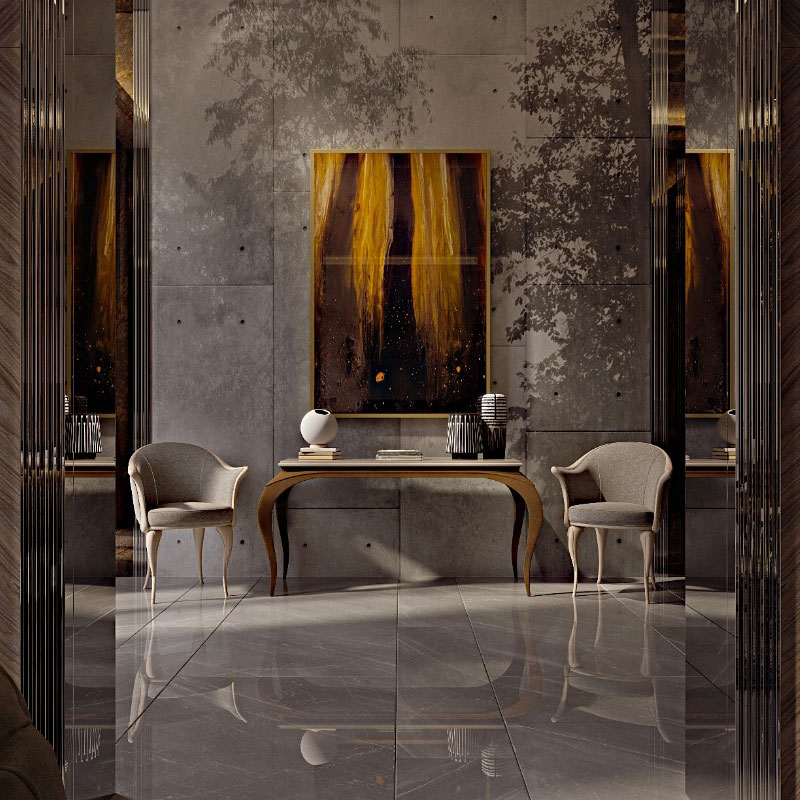
Transitional bedroom furniture bridges the gap between contemporary and traditional aesthetics. It takes the clean silhouettes of modern design and softens them with traditional materials and craftsmanship. The result feels both current and timeless, structured yet inviting.
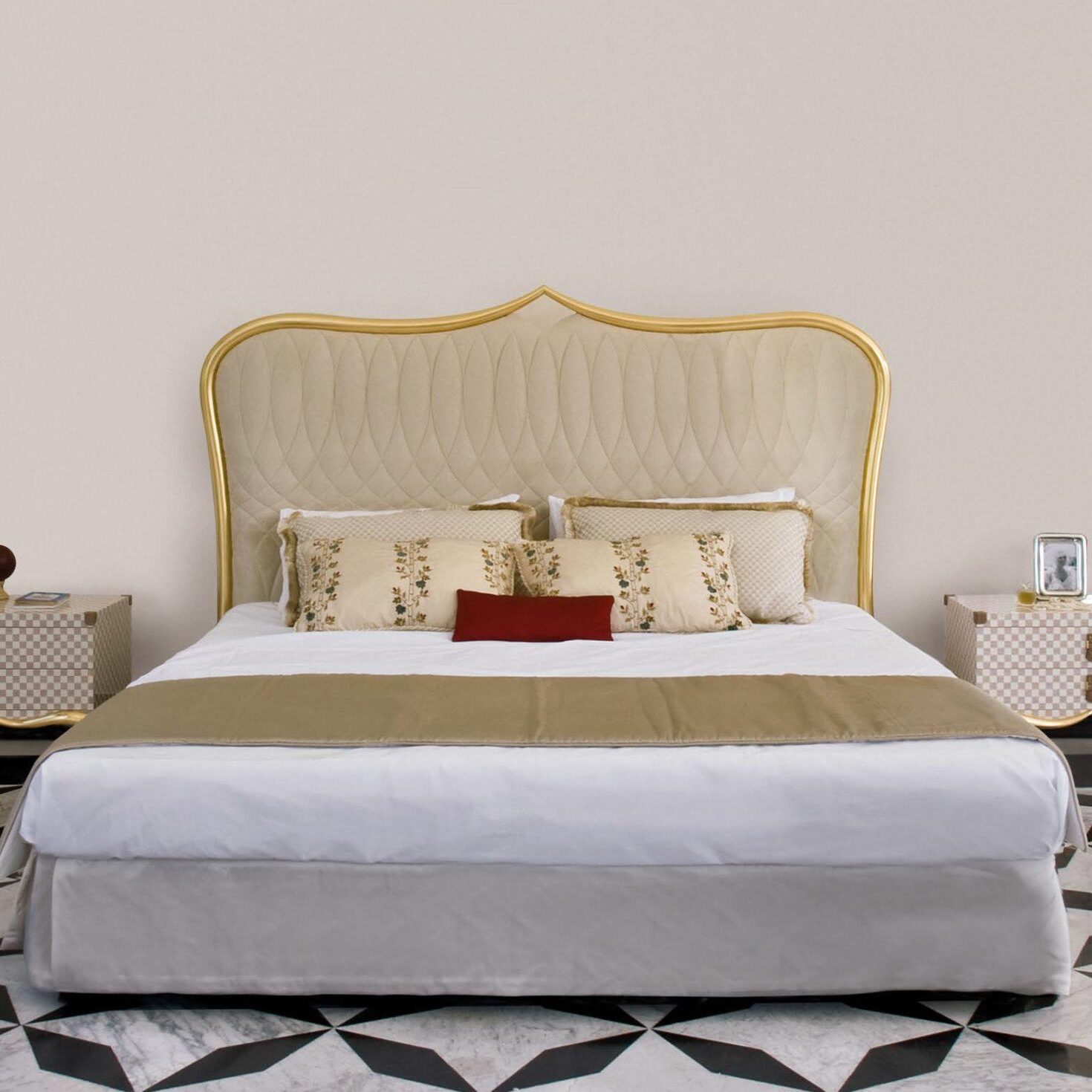
Think of a bed frame with simple, straight lines crafted from hand-selected walnut with visible grain. Or a dresser with minimalist hardware but traditional joinery techniques. These pieces do not announce their style. They simply exist with quiet confidence in your space.
The beauty lies in what transitional bedroom furniture allows you to do next.
Flexibility as Strategy
Bedroom furniture accounted for 35.69 percent of the global furniture market in 2024, driven by consumer interest in comfort, style, and customization. The emphasis on customization matters here.
Transitional bedroom furniture functions as a foundation that adapts to your evolving preferences. You can layer in contemporary accessories this year and swap them for traditional textiles next year. The furniture itself remains constant while your expression changes.
This flexibility extends to material selection. Extensive material libraries featuring thousands of options in fabric, leather, microfiber, metal, wood, acrylic, and lacquer exist because transitional pieces gain their character through material choices.
A transitional bed frame in dark walnut with leather upholstery creates a different mood than the same frame in light oak with linen. You are not locked into a singular aesthetic. You are building a foundation that responds to your preferences.
Why This Matters Now
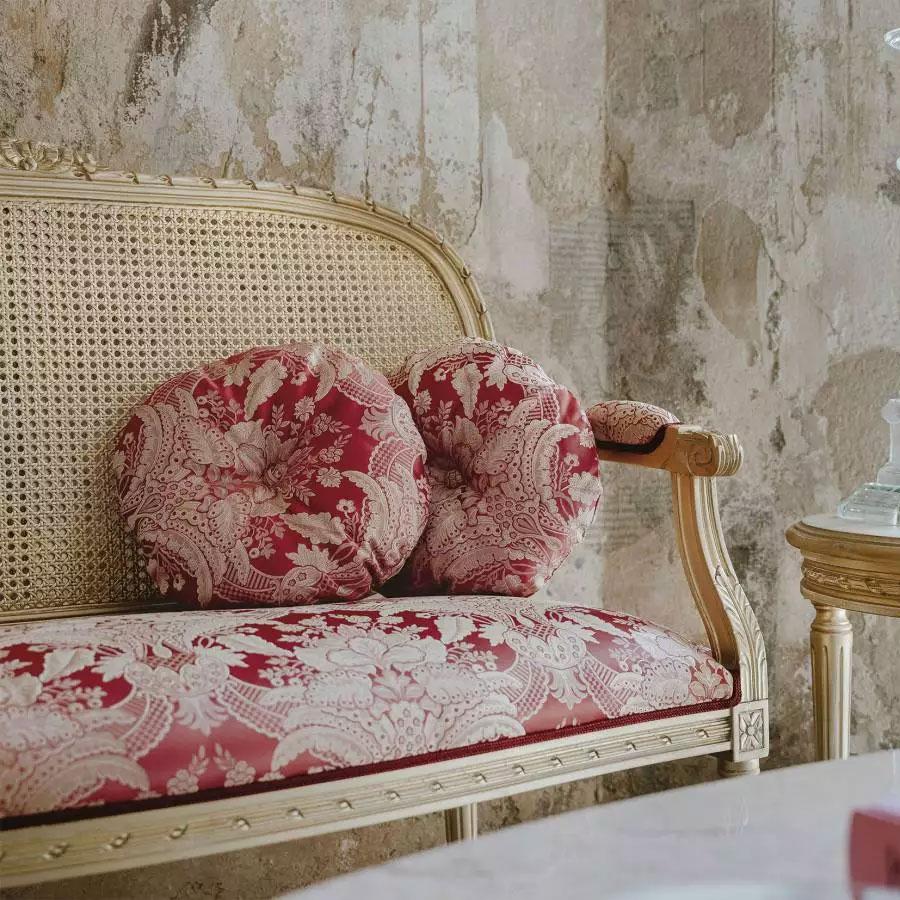
Transitional style gained significant momentum after the pandemic, as people sought ties to simpler times amid uncertainty. Incorporating family heirlooms with more current pieces became a way to create emotional comfort at home.
Your bedroom should reflect your journey, not a magazine spread. Transitional bedroom furniture honors that reality. It creates space for the antique dresser your grandmother left you to coexist with the sleek nightstand you found last month.
The pieces do not compete. They converse.
More than 31 percent of designers surveyed plan to use organic modernism elements in their projects. Design professionals recognize what many homeowners instinctively feel: the future of residential design lies in flexibility, not rigid adherence to style categories.
The Balance Between Clean and Warm
What distinguishes exceptional transitional bedroom furniture from merely adequate pieces comes down to material execution and proportion. Clean lines require precise craftsmanship to avoid appearing sterile. Traditional warmth demands restraint to prevent overwhelming contemporary sensibilities.
Italian furniture makers excel in this balance. Centuries of design evolution taught them that timeless pieces emerge from mathematical principles of proportion rather than stylistic ornamentation. A bed frame maintains visual interest through wood grain patterns and subtle detailing rather than decorative flourishes.
The hardware selection exemplifies this philosophy. Simple pulls and handles in brushed metals or matte finishes provide functional elegance without drawing excessive attention. They complement rather than compete with the overall form.
This restraint extends to color palettes. Transitional bedroom furniture typically features neutral tones—warm grays, soft taupes, natural wood finishes—that serve as canvases for your personal expression through textiles and accessories. The furniture recedes appropriately, allowing you to be the curator of visual interest.
Layering Traditional and Contemporary Elements
The true power of transitional bedroom furniture reveals itself in how pieces interact with their surroundings. A platform bed with clean lines gains warmth when dressed in textured linens and layered with traditional quilts. A dresser with a simple silhouette becomes more dynamic when topped with contemporary art and classic ceramic pieces.
This layering approach allows your bedroom to evolve with your life stages and aesthetic preferences. Young professionals might emphasize contemporary accessories against transitional foundations. As preferences mature, those same foundations accommodate increasingly traditional elements without requiring furniture replacement.
The financial logic proves compelling. Rather than purchasing entirely new bedroom sets as tastes change, you refresh through textiles, lighting, and accessories. The substantial furniture investment endures across multiple design iterations.
Material Quality Determines Longevity
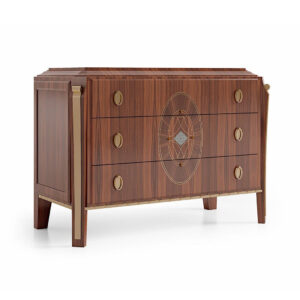
Transitional bedroom furniture built with premium materials ages gracefully across decades. Hand-selected hardwoods develop richer patinas. Full-grain leather upholstery softens while maintaining structural integrity. Metal components acquire subtle character that enhances rather than diminishes visual appeal.
Lesser materials betray their quality quickly. Veneers separate from substrate. Bonded leather cracks and peels. Hardware loosens as connections fail. These deteriorations force replacement regardless of whether your aesthetic preferences have changed.
Italian craftsmanship addresses longevity through construction techniques perfected over centuries. Joinery methods allow furniture to be tightened and refinished rather than discarded. Solid wood frames accommodate decades of use without structural compromise. The pieces were conceived as generational investments rather than temporary solutions.
The Long View
Furniture represents a significant investment, particularly in luxury markets. Transitional bedroom furniture offers staying power that trend-driven alternatives cannot match.
You will not look at a transitional bed frame in five years and see a dated style choice. The clean lines remain relevant. The quality craftsmanship endures. The piece ages into your space rather than out of fashion.
Selecting furniture meant to anchor your bedroom for decades requires experiencing pieces in person. The grain of the wood, the weight of the drawer pulls, the way light catches the finish throughout the day—these sensory details determine whether a piece truly belongs in your space.
Creating Cohesive Bedroom Environments
Transitional bedroom furniture succeeds when individual pieces work together without demanding perfect matching. A bed frame, dresser, and nightstands can feature different wood tones or finishes while maintaining visual coherence through shared proportions and design restraint.
This approach mirrors how real homes evolve. You acquire pieces over time rather than purchasing complete sets in single transactions. Transitional design accommodates this organic growth through foundational similarity rather than superficial matching.
The key lies in consistent scale and proportion. Pieces should relate to each other through visual weight and line rather than identical styling. A substantial bed frame balances with equally substantial case goods. Delicate nightstands pair with lighter dressers. The relationships feel intentional rather than accidental.
Making the Choice
Your design indecision might actually be clarity in disguise. You are not confused about what you want. You are resisting the artificial constraint of choosing one aesthetic over another.
Transitional bedroom furniture removes that constraint. It allows you to honor multiple design impulses simultaneously, creating spaces that feel authentically yours rather than carefully curated to match a predetermined style.
The bedroom you wake up in should reflect the complexity of who you are, not the simplicity of a design category. Transitional bedroom furniture makes that possible.
Stop forcing yourself to choose. Start building a bedroom that bridges the styles you love.
Discover Your Transitional Style
Understanding how transitional bedroom furniture can resolve your design dilemma requires seeing how clean lines and traditional craftsmanship unite in exceptional pieces. At Michelangelo Designs, we help you navigate the balance between contemporary and traditional aesthetics through curated Italian collections that honor both sensibilities.
Our design team evaluates your existing preferences, architectural context, and long-term vision to recommend transitional pieces that adapt as your aesthetic evolves. With extensive material libraries featuring thousands of wood finishes, upholstery options, and hardware selections, we ensure your bedroom foundation responds authentically to your journey.
Discover bedroom furniture that refuses to force you into rigid style categories while delivering the quality and craftsmanship you deserve.