Key Takeaways
- Classic Italian furniture is rooted in centuries of artistic tradition: Spanning movements from the Baroque to the Rococo and into the modern era, each piece carries a cultural provenance that mass-produced furniture simply cannot replicate. This depth of history is embedded in every carved detail, woven fabric, and hand-finished surface.
- Craftsmanship and material quality are what make Italian furniture timeless: Authentic Italian pieces are constructed from hand-selected hardwoods, fine upholstery fabrics, and metals engineered for longevity. Unlike furniture built to trend cycles, the quality of genuine Italian craftsmanship means pieces retain value and often appreciate in both aesthetic and monetary worth over time.
- Understanding the two dominant classic styles helps you choose with confidence: Baroque Italian furniture is bold and architectural, defined by dark woods, dramatic carvings, and a commanding presence. Rococo is its counterpart, characterized by delicate curves, gilded finishes, and an asymmetrical lightness that feels lavish without heaviness. Knowing the distinction allows you to select pieces that align authentically with your interior vision.
- The value of classic Italian furniture becomes clear over time: A well-chosen Italian piece that is used daily, admired constantly, and maintained properly delivers a return that extends far beyond its purchase price. It elevates every room it inhabits, becomes a natural focal point for gathering and conversation, and holds its integrity across decades rather than depreciating with the first change of season.
A Lesson In The World Of Classic Italian Furniture
Few objects carry the weight of history the way classic Italian furniture does. As one of the most celebrated furniture exports in the world, these pieces transcend mere function—each one is a document of artistic heritage, passed from generation to generation as both a treasured possession and a living work of art.
Furniture Holds Great Importance to Italy and Other Parts of the World
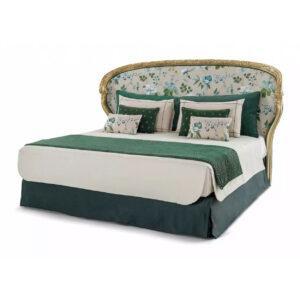
In Italy, a well-crafted chair or cabinet is never simply a chair or cabinet. It is an expression of cultural identity, shaped by centuries of artistic tradition that moved from the grandeur of the Baroque through the whimsy of the Rococo and into the refined restraint of the modern era. The craftsmanship of Italian furniture brands reflects each of these movements with fidelity—intricately woven fabrics, hand-carved woodwork, and the deliberate use of stone, metal, and gilding that elevates every piece beyond the ordinary.
The Italian lining fabrics used in the upholstery of classic Italian furniture are often what first captures the eye. Whether the piece is traditional, transitional, or thoroughly contemporary, the quality of the textile never falters. Colors range from deep jewel tones suited to formal interiors to softer, more nuanced palettes for understated elegance. Motifs span from elaborate florals and gilded scrollwork to clean, architectural solids—each one a considered choice rather than a compromise.
The Inspiration Behind Classic Italian Furniture
Italian furniture has always drawn its identity from the great artistic movements that shaped the culture. Two movements, in particular, remain deeply embedded in the classic Italian aesthetic.
Classic Baroque Italian Furniture
The Baroque period in Italy ran from the late 16th century into the early 18th century, and its influence on furniture design was profound. Rich walnut and ebony woods, detailed stucco ornament, scrolled arms, and arching silhouettes defined the aesthetic. Baroque furniture is dramatic by design—it commands attention, complementing marble surfaces and pietra dura inlay with wavy carvings that evoke cherubs, angels, and elements of the natural world. It is furniture that does not whisper.
Classic Rococo Furniture
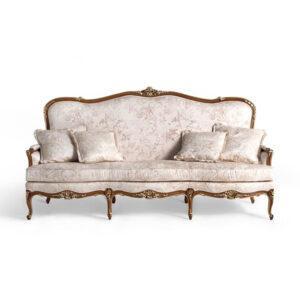
Drawing its origins from France, the Rococo movement arrived in Italy in the early 18th century and left a legacy of exceptional lightness and delicacy. Where Baroque furniture imposes, Rococo invites. Delicate curves replace the heavier profiles of its predecessor; lavish construction materials are balanced by asymmetrical, almost playful composition. Pale finishes and gilded accents give these pieces an airy quality that remains distinctly Italian in its refinement.
The Details That Define Classic Italian Furniture
What separates a truly exceptional piece of Italian furniture from an imitation is the sum of its details. The woodwork may be carved by hand, then finished with gold leaf upon request—a tradition that gives certain pieces a quietly regal presence without demanding acknowledgment. The structure beneath the upholstery is constructed from high-quality hardwoods and metals engineered for longevity, meaning form and function are never treated as competing priorities.
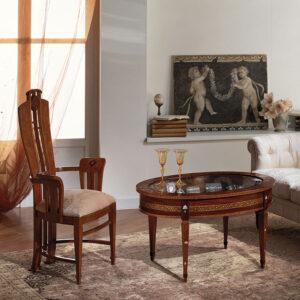
When designing your space, the arrangement of these pieces deserves the same thoughtfulness their makers applied to their creation. Proportion, balance, and the relationship between each element transform a collection of beautiful furniture into a cohesive interior.
The Enduring Beauty of Classic Italian Furniture
Classic Italian furniture endures because it was never designed to be fashionable. It was designed to be timeless. Italy’s manufacturers have continued to innovate—expanding into contemporary silhouettes, sustainable materials, and custom fabrication—while preserving the foundational values of craftsmanship, material integrity, and artistic intention that have made Italian furniture one of the most sought-after exports in the world.
At Michelangelo Designs, we have cultivated direct relationships with Italy’s most prestigious manufacturers since 1985. Our 35,000-square-foot showroom in Passaic, NJ offers an immersive experience unlike any other in the Northeast—with more than 2,000 fabric, leather, wood, metal, and finish samples available to guide your selection. Whether you are furnishing a private residence, a luxury hotel, or a high-profile commercial space, we offer access to collections that simply cannot be found in mainstream retail.
Request a showroom appointment and allow us to help you find the piece—or the full interior—you have been envisioning.